MICAPP
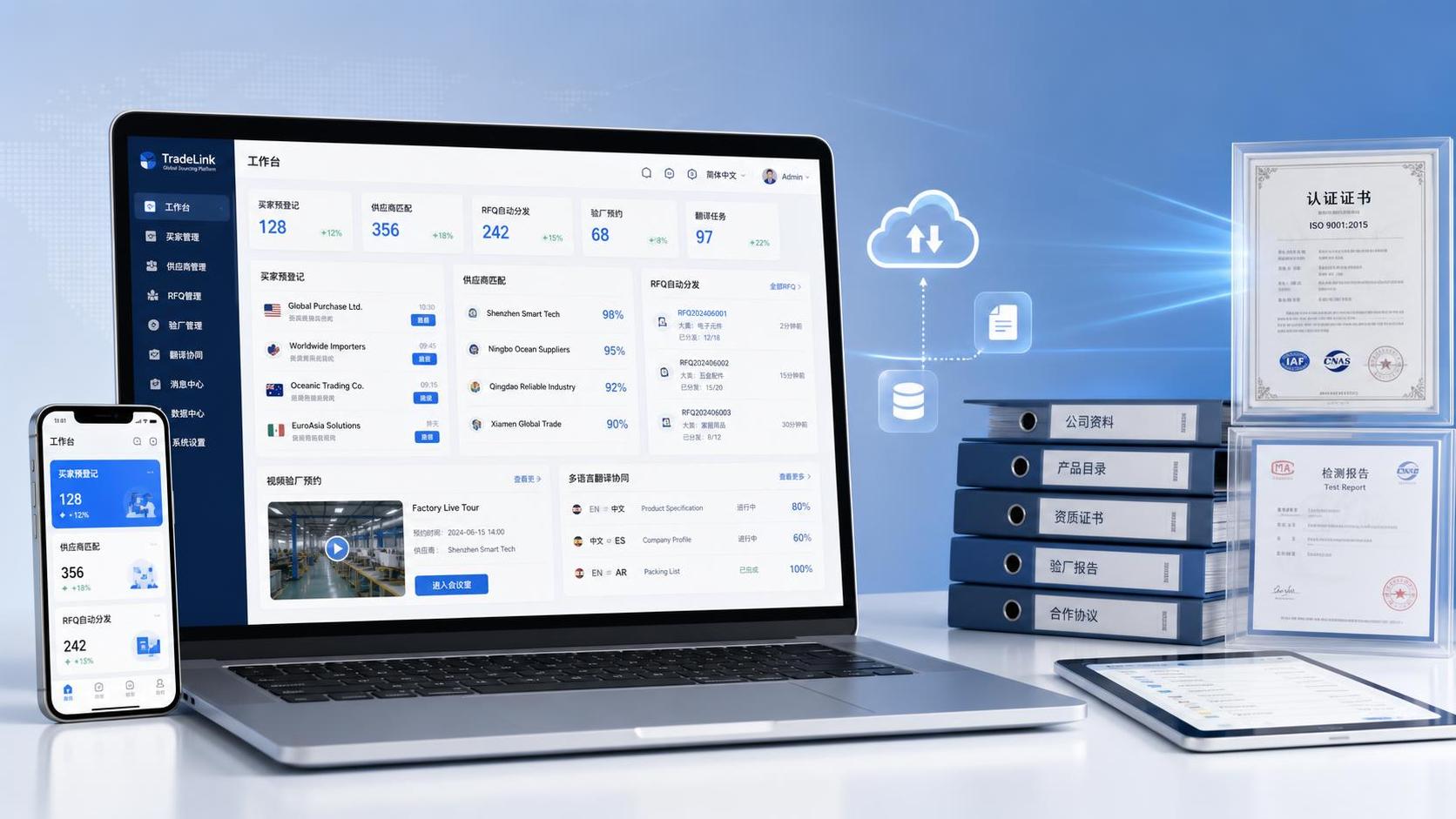
The 139th Canton Fair committee said that, as of 12 August 2026, overseas buyer pre-registrations had reached 172,000, up 28% year on year. The fair also launched a new AI-driven B2B online matching system with real-time multilingual translation, supplier matching, video factory-audit booking, RFQ auto-distribution, and API access for distributors in more than 200 countries. The key issue for industry is not the headline figure alone, but the signal that digital matching, remote qualification review, and data integration are becoming part of the trading workflow that exporters, buyers, and service providers need to align with.
What the committee confirmed
The committee of the 139th Canton Fair said the overseas buyer pre-registration tally had reached 172,000 by 12 August 2026, setting a record and rising 28% from a year earlier. It also said a revised AI-powered B2B online matching system is now in use, supporting multilingual live translation, intelligent supplier matching, video factory-audit appointments, and automatic RFQ distribution. In addition, the system has opened API access to distributors in more than 200 countries and supports data exchange with companies’ independent websites, CRM systems, and advertising platforms.
What this changes across the trade chain
Exporters will face more structured pre-qualification
For exporters, the change is less about traffic volume than about how buyers are screened and matched. A system that routes RFQs automatically and supports video audit booking raises the importance of complete product documentation, factory records, and consistent capability statements. Any gap between online claims and on-site or video review may become more visible earlier in the sourcing process.
Buyers will expect faster document alignment
For overseas buyers, multilingual live translation and automated RFQ distribution suggest a lower-friction sourcing process, but also a more standardized one. That puts pressure on specification sheets, compliance declarations, certification files, and quotation formats to be accurate and easy to compare. The practical impact is strongest in procurement, sourcing, and supplier onboarding.
Service providers will need cleaner data workflows
Supply-chain service providers, including digital trade platforms and marketing operators, are likely to feel the effect through API connectivity and data interoperability. Once matching data can flow into independent sites, CRM tools, and ad systems, the quality of product taxonomy, lead tracking, and follow-up records becomes more important. From an operational perspective, this is where trade execution, customer management, and compliance review begin to overlap.
What companies should watch now
Keep compliance files ready for remote review
Companies that rely on factory audits, qualification checks, or product verification should review whether their certification documents, test reports, and technical materials can support remote screening. The system’s video audit feature does not remove compliance requirements; it makes document readiness more visible at an earlier stage.
Check how RFQs and CRM data are handled
Because the platform supports API access and data interconnection, companies should pay attention to how RFQs, customer records, and campaign data are mapped and stored. The main issue is not only sales efficiency, but also whether quotation history, buyer identity, and follow-up information remain consistent across systems.
Prepare for tighter quotation and response cycles
Automatic RFQ distribution and multilingual matching can shorten response time expectations. Exporters that depend on manual internal approvals may need to review quotation turnaround, technical response routing, and sample or audit scheduling so they do not lose opportunities simply because of delayed handling.
Watch for future execution details
The current information confirms system upgrades and buyer pre-registration growth, but it does not spell out detailed operating rules. Companies should continue to watch for guidance on access standards, audit procedures, document requirements, and any adjustments to platform-side matching logic.
How to read the signal
Analysis shows this is best understood as an execution signal rather than a completed rule change. The record pre-registration figure indicates stronger participation pressure, while the upgraded B2B system points to a more digital and more standardized procurement process. What deserves closer attention is whether this becomes a durable operating model for buyer screening, supplier matching, and compliance review, or remains a platform-level improvement whose practical effect will vary by product category and trading workflow.
What this means in practice
For the industry, the useful takeaway is straightforward: participation is becoming more data-driven, and trade matching is becoming more process-heavy. That affects exporters, buyers, and service providers in different ways, but the common requirement is the same - cleaner records, faster response, and better alignment between online representation and actual delivery capability. For now, this should be read as an important operational shift to monitor closely, not as a finished market outcome.
Source note
This article was generated from the title, event timing, and summary provided by the user. No specific official source link was included in the input, so the underlying announcement should still be verified against official notices, regulatory or trade-authority releases, customs or commerce-related information where relevant, industry association updates, standard-setting documents, and credible media reports. Further observation is needed on implementation details, access rules, certification or audit execution, document requirements, and market feedback from participating companies.