MICAPP
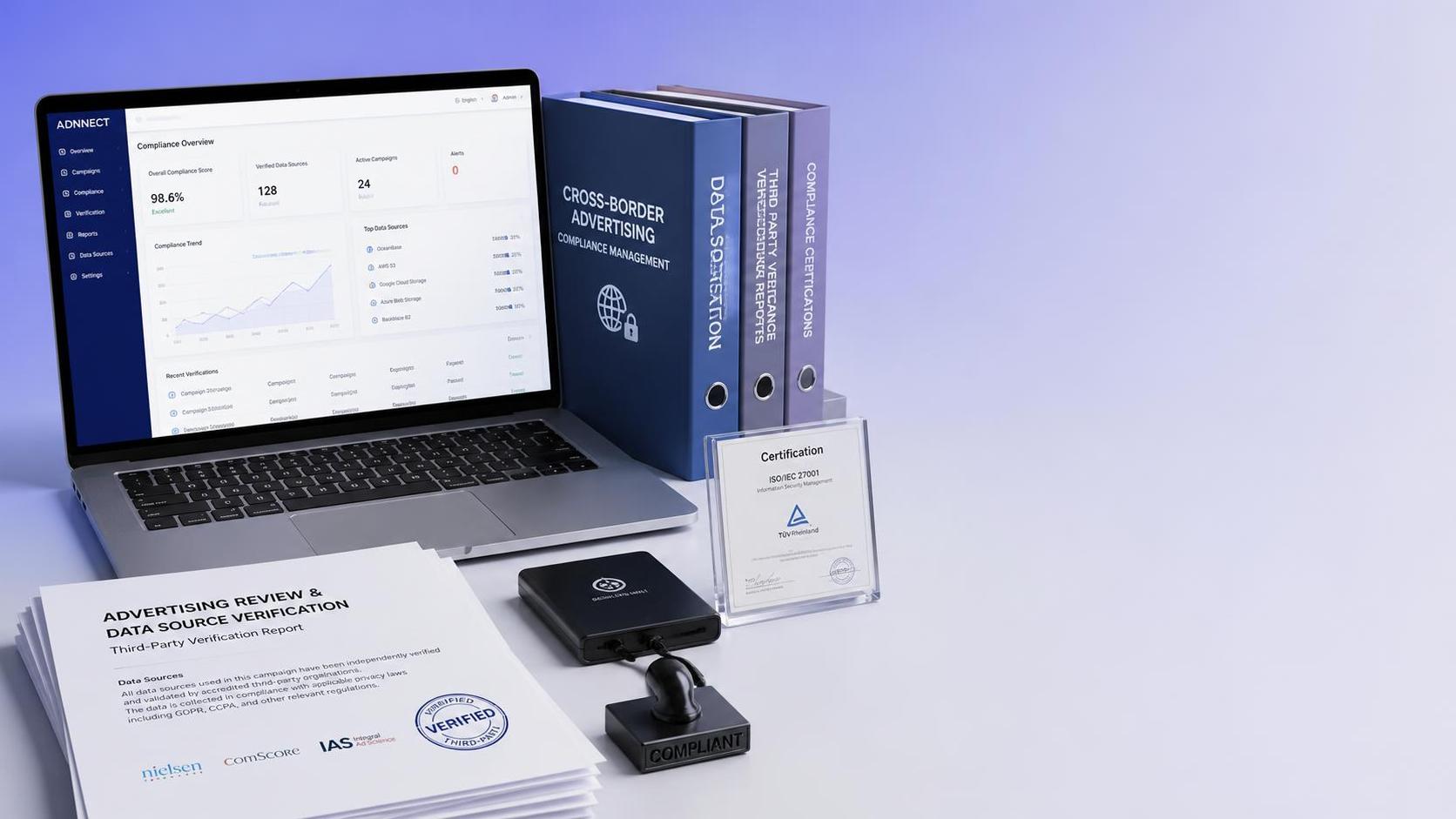
Effective August 8, 2026, Google began enforcing a revised Google Ads policy that requires AI-generated advertising content to disclose the country of origin of model training data and to submit a third-party compliance verification report. Because the rule applies to all Google Advertising accounts worldwide, it deserves close attention from overseas ad delivery teams, China-based SaaS providers serving foreign clients, and importers or distributors that rely on Chinese partners for campaign execution and compliance documentation.
What the policy now requires
According to the information provided, Google formally put the new policy into effect on August 8, 2026. The confirmed requirements are twofold: AI-generated ad content must clearly identify the country from which the model training data originates, and advertisers must provide a third-party report verifying compliance of that training data. The policy applies globally across Google Advertising accounts.
Where the operational pressure is likely to appear
Cross-border ad service delivery faces a stricter documentation burden
For China-based SaaS providers that place ads overseas on behalf of clients, the immediate impact is likely to be concentrated in compliance delivery. The reason is straightforward: the policy ties ad execution not only to creative output, but also to the traceability and verification of the data behind AI-generated content. What deserves closer attention is whether existing campaign workflows already include the ability to document training data origin and provide external compliance proof.
Importers and distributors need greater visibility into partner capabilities
Importers and distributors working with Chinese partners may also be affected because campaign compliance may now depend on upstream service capabilities. In practical terms, the key business link is partner verification: these companies need to confirm whether their Chinese counterparts can support data traceability and certification requirements tied to AI-generated ad materials.
Advertising account operators will need tighter process controls
Because the policy applies to all Google Advertising accounts, account operators and service teams are likely to feel the impact at the level of review readiness, document preparation, and coordination with technology or content suppliers. From an industry perspective, the policy raises the importance of linking content production with compliance records before campaigns go live.
Practical issues companies should watch now
Track any further official wording or rule clarification
The current confirmed facts establish the enforcement date, the disclosure requirement, the need for third-party verification, and the global scope. Analysis shows that companies should keep watching for any further official clarification on how these requirements are interpreted in day-to-day ad review and account management.
Check whether suppliers can prove data traceability
For businesses relying on external service providers, a central issue is whether the provider can demonstrate the origin path of training data in a way that supports compliance review. This is especially relevant where ad creation, account operation, and client communication are split across different parties.
Separate policy wording from delivery execution
Observably, the rule itself is one layer, while operational execution is another. Companies should distinguish between understanding the policy at a high level and being able to produce the actual records, verification materials, and internal handoff processes needed for campaign delivery.
Prepare for client and partner communication requirements
The policy may also affect how service providers explain timelines, required materials, and compliance responsibilities to clients or channel partners. From a working perspective, this makes document readiness and expectation setting more important in cross-border projects that involve AI-generated creative.
Why this looks like more than a one-off rule change
Analysis shows that this development is not only about ad copy labeling. It points to a stronger compliance connection between AI-generated marketing output and the underlying training data used to produce it. Based on the information provided, it is more appropriate to understand this as a concrete compliance signal already in force, while still treating the exact operational impact as something that requires continued observation.
How to read the significance at this stage
At this stage, the industry significance lies in execution rather than headline value. The policy is already effective, and the immediate question for affected businesses is whether their workflows, suppliers, and documentation standards can support the new requirements without disrupting delivery. It is more appropriate to understand this as an active compliance development with broader process implications, rather than as a short-lived policy update.
Basis of this article and what still needs verification
This article is based on the user-provided news title, event date, and event summary. For this type of industry development, source categories often relevant for ongoing verification include official platform announcements, company notices, industry association updates, authoritative media coverage, and standards-related documentation. A specific official source link was not provided in the input, so the exact source text still needs to be continuously verified. Follow-up attention should focus on any later official clarification related to implementation details, review expectations, and supporting compliance materials.