MICAPP
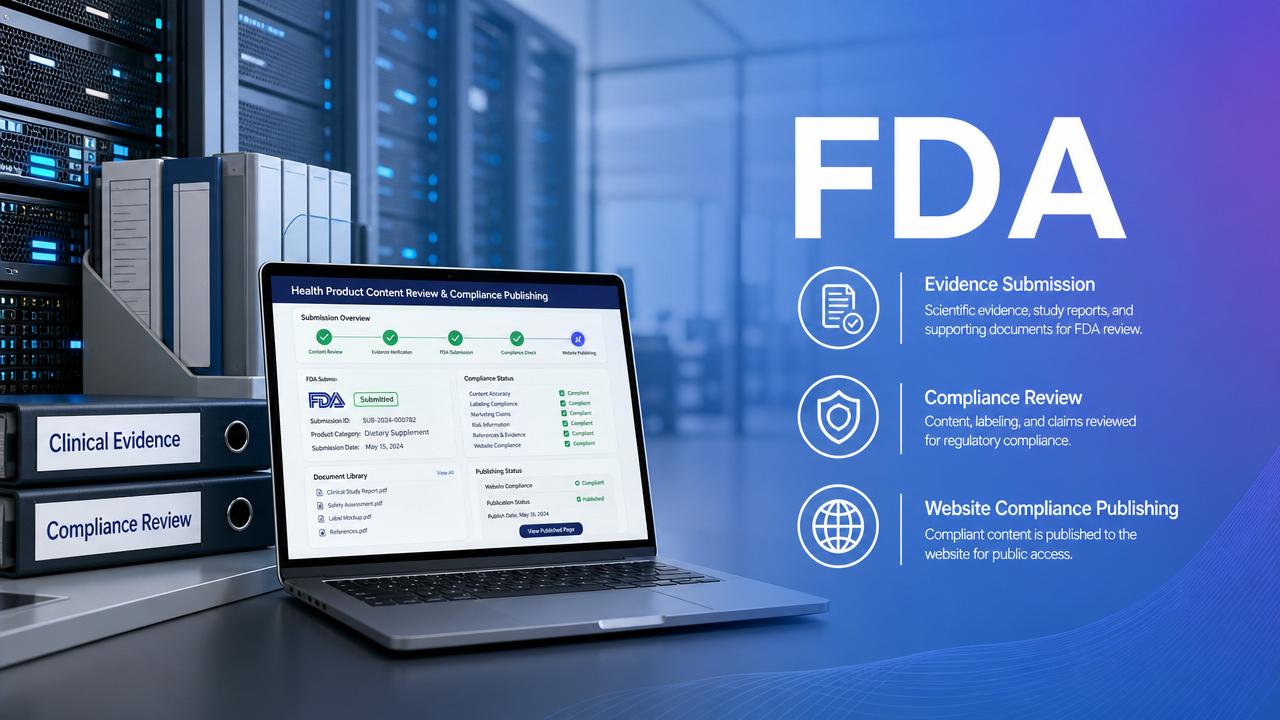
On June 5, 2026, the U.S. Food and Drug Administration began enforcing a new requirement for imported health-related consumer goods sold to the U.S. through independent websites. For dietary supplements, beauty devices, and home-use medical devices, efficacy claims used in website advertising must be paired with a clinical research summary or an index of authoritative literature submitted through the FDA electronic portal within 72 hours before first launch. This is worth close attention not only for cross-border sellers, but also for compliance teams, content operations, and website system providers, because the rule links marketing language directly to evidence preparation and pre-launch review workflows.
What the new filing requirement covers
According to the information provided, the new FDA rule took effect on June 5, 2026 and applies to imported health-related consumer products sold to the U.S. via independent websites.
The covered product categories include dietary supplements, beauty devices, and home-use medical devices.
The rule focuses on efficacy claims in website advertising, including examples such as “boosts immunity” and “accelerates fat loss.”
Before such claims are first used, the corresponding clinical research summary or an index of authoritative literature must be submitted through the FDA electronic portal within 72 hours in advance.
The requirement is also directly related to the advertising copy module and compliance checking capabilities in the Maikaipu cloud-based website building system referenced in the input.
Where the operational pressure is likely to appear
Independent-site sellers face a tighter pre-launch sequence
From an industry perspective, direct-to-consumer sellers using their own websites are likely to feel the most immediate impact. The reason is straightforward: the rule is tied to website advertising claims, so product pages, landing pages, and promotional copy can no longer be treated as purely marketing output. The main pressure point will be in launch timing, because claim selection and evidence submission now need to be aligned before a campaign goes live.
Manufacturers and brand owners may need earlier evidence coordination
Analysis shows that manufacturers and brand owners in the covered categories may be affected even if they do not operate the independent site themselves. Where product efficacy language is used in sales materials, the supporting clinical summary or literature index becomes more operationally important. The likely impact is on internal coordination between product, regulatory, and marketing functions, especially when deciding which claims can be used in U.S.-facing materials.
Service providers and website system operators move closer to compliance workflows
What deserves closer attention is the role of service providers. The input specifically notes a direct connection to the advertising copy module and compliance validation capability of a cloud website building system. Observably, this means website infrastructure, content management, and review tools are no longer peripheral to compliance. For service providers, the affected business links are likely to include copy management, approval routing, and evidence-related checkpoints before publication.
What companies should watch now
Separate factual product information from efficacy claims
Analysis shows that one practical priority is to distinguish ordinary product description from efficacy-oriented advertising language. Because the rule targets claims such as immunity enhancement or accelerated fat loss, businesses should pay close attention to which statements may trigger the filing requirement before first use.
Rebuild the timeline for campaign launch
Another key point is timing. The 72-hour pre-launch submission window means that advertising publication, landing page activation, and promotional scheduling may need to be reorganized. Companies should focus on whether current workflows leave enough time for evidence preparation and portal submission before a claim appears online.
Check whether current documentation is usable in practice
What deserves closer attention is not only whether supporting materials exist, but whether they can be translated into the required submission form of a clinical research summary or authoritative literature index. This is a practical distinction between having background materials on file and being ready for actual compliance execution.
Review system-level controls in content publishing tools
For teams relying on website platforms or external service systems, the operational issue is whether advertising copy modules include checkpoints that can flag or hold efficacy claims before publication. Observably, this event is not just about regulatory interpretation; it also concerns whether publishing systems can support pre-release compliance review in day-to-day operations.
Why this looks bigger than a routine wording update
Analysis shows that this development is better understood as a governance signal around digital health-product marketing rather than a minor adjustment to ad copy rules. The important point is that the FDA requirement, as described in the input, connects website claims, evidence records, and submission timing into a single process.
At the same time, it would be premature to treat this as a fully settled long-term industry outcome based only on the information provided here. Observably, the current confirmed facts establish a new operational requirement, but the broader enforcement rhythm, interpretation details, and implementation variations still require continued attention.
How to read the change at this stage
At this stage, it is more appropriate to understand the rule as an immediate compliance change with longer-term implications for how independent-site sales to the U.S. are managed in health-related product categories. Its significance lies less in headline impact and more in the way it brings regulatory review closer to daily marketing execution, documentation readiness, and website publishing controls.
For the industry, the rational takeaway is not to overstate outcomes, but to recognize that claim-based advertising for covered products now appears more directly tied to evidence submission discipline than before, based on the information provided.
Basis of this article and what still needs verification
This article is based on the user-provided news title, event date, and event summary. It does not add unverified data, policy numbers, market figures, or external case details.
For this type of development, commonly relevant source categories may include official regulatory announcements, company disclosures, industry association updates, authoritative media coverage, and standards-related documents. No specific official source link was provided in the input, so the exact official reference still needs ongoing verification.
Further follow-up should focus on any later official clarifications, adjustments to implementation details, and how affected businesses translate the filing requirement into actual website content review and launch procedures.