MICAPP
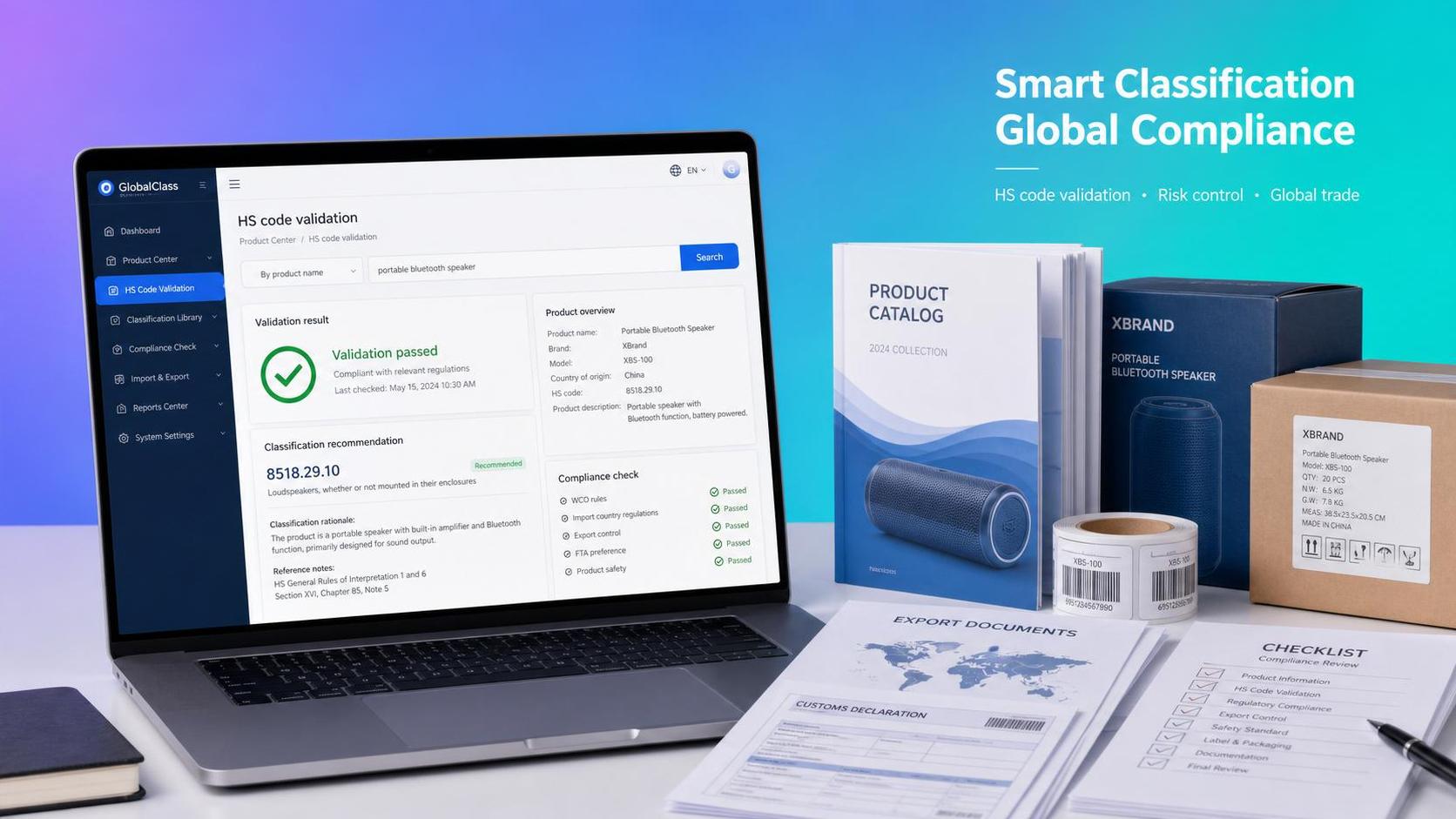
On July 12, 2026, Microsoft Bing Advertising opened the beta version of HS Code Validation v2.3 to markets across Asia-Pacific, the Middle East, and Latin America. The update is relevant not only to advertisers, but also to exporters, manufacturers, customs-facing supply chain teams, and cross-border service providers, because it brings product classification checks closer to the front end of market outreach. For companies selling into emerging markets, that matters as a compliance and delivery issue rather than a simple ad feature.
What the beta release includes
According to the provided information, Bing Advertising released the public beta of HS Code Validation v2.3 on July 12, 2026 for Asia-Pacific, Middle East, and Latin American markets. The new version supports real-time comparison across the WTO HS code library, China Customs Tariff 2026, and import classification standards in destination markets, including examples such as US HTS and EU TARIC.
The tool is designed to automatically warn users when product category descriptions in advertising present a risk of HS code mismatch. The stated purpose of the upgrade is to reduce customs clearance delays and return rates caused by classification errors, while giving Chinese suppliers earlier compliance support when exporting to emerging markets.
Why different business roles may feel the impact
Exporters using ads as a front-end sales channel
From an industry perspective, direct trading companies may be among the first to notice the operational value of this change. If product descriptions used in advertising are closer to customs-facing classification logic, the risk signal appears earlier in the sales process rather than only after order placement or shipment preparation. What deserves closer attention is whether internal teams treat ad copy, product naming, and customs documentation as connected workflows rather than separate tasks.
Manufacturers supplying cross-border orders
Processing and manufacturing companies may be affected where product specifications, material descriptions, and category wording feed into both marketing assets and export documents. Analysis shows the immediate relevance is not advertising performance alone, but consistency between how a product is presented commercially and how it may later need to be classified for import. The practical impact is likely to sit around documentation accuracy, handoff quality between sales and export teams, and preparation for destination-market requirements.
Logistics and compliance service providers
Supply chain service providers, especially those involved in customs handling, classification support, and cross-border fulfillment, may see this as a sign that clients will expect earlier compliance screening. Observably, if classification mismatch warnings appear before shipment, service providers may need to engage sooner in the client workflow. The business focus here is likely to shift toward pre-shipment review, supporting documents, and communication around classification assumptions for target markets.
Buyers and channel partners in destination markets
Purchasers, import-side partners, and channel operators may also be indirectly affected. If upstream sellers improve classification discipline earlier in the transaction cycle, the downstream benefits may appear in fewer disputes tied to import processing, delayed delivery, or returned goods. What deserves closer attention is whether buyers begin to ask for clearer classification-related documentation alignment before scaling orders in newer markets.
What companies should monitor now
Alignment between product descriptions and classification logic
Companies should pay close attention to whether the product wording used in ads, catalog listings, and internal export materials is consistent enough to avoid mismatch warnings. The key issue is not only whether the system flags a risk, but whether the business can explain and document why a product is described the way it is across commercial and customs-related contexts.
Priority categories and destination markets
The more practical focus is likely to be on product lines and export destinations where classification interpretation tends to be more sensitive. Since the beta compares WTO HS references, China Customs Tariff 2026, and destination-market standards, businesses should watch where internal category naming differs across those frameworks and where teams may need stronger review before campaigns go live.
The gap between a warning signal and actual clearance outcomes
Analysis shows companies should avoid treating an automated warning as the same thing as a final customs determination. The beta provides earlier risk visibility, but actual import handling still depends on how product information, supporting documents, and destination-market requirements are managed in practice. That distinction matters for internal escalation, customer communication, and shipment planning.
Cross-team preparation before orders move downstream
For businesses using advertising to support export lead generation, the immediate operational question is whether sales, marketing, product, and supply chain teams are prepared to respond when a mismatch warning appears. Current attention should go to document readiness, supplier-side product data quality, and response plans for customers when classification-related questions affect delivery timing or order confirmation.
How this update is best understood at this stage
Observably, this development can be read as an attempt to move trade compliance checks closer to the earliest commercial touchpoints. That does not yet prove a broader market outcome, but it does suggest that product classification accuracy is becoming more closely linked with digital customer acquisition and export execution.
It is more appropriate to understand this as both a near-term workflow change and a longer-term signal worth tracking. In the short term, it may alter how some exporters prepare product descriptions for campaigns targeting emerging markets. In the longer term, industry participants may watch whether compliance-related validation becomes a more standard feature in cross-border advertising and demand generation tools. At this point, continued observation is still necessary.
What this means for the market now
Based on the provided facts, the release of Bing Advertising HS Code Validation v2.3 beta is most relevant as an early compliance support mechanism tied to cross-border promotion and export preparation. Its significance lies less in a standalone product launch and more in the way it links advertising content with customs classification risk at an earlier stage.
A neutral reading is that this is a practical signal for exporters and service providers to tighten coordination between commercial descriptions and import-facing documentation. It is not yet a basis for broad conclusions about trade outcomes, but it is a development that companies operating across emerging markets should monitor closely.
Basis of this article and points for follow-up
This article is based on the user-provided news title, event date, and event summary. The analysis above relies only on the confirmed information that Bing Advertising opened the HS Code Validation v2.3 beta on July 12, 2026, that it supports real-time comparison with WTO HS references, China Customs Tariff 2026, and destination-market import classification standards, and that it is intended to warn about product classification mismatches in advertising.
For developments of this kind, commonly relevant source types may include official platform announcements, company statements, industry association updates, authoritative media coverage, and standard-setting or tariff-related documentation. A specific official source link was not provided in the input, so further verification remains necessary. Follow-up attention should be placed on any later official wording, scope changes in supported markets or standards, and how the beta is translated into practical business use.