MICAPP
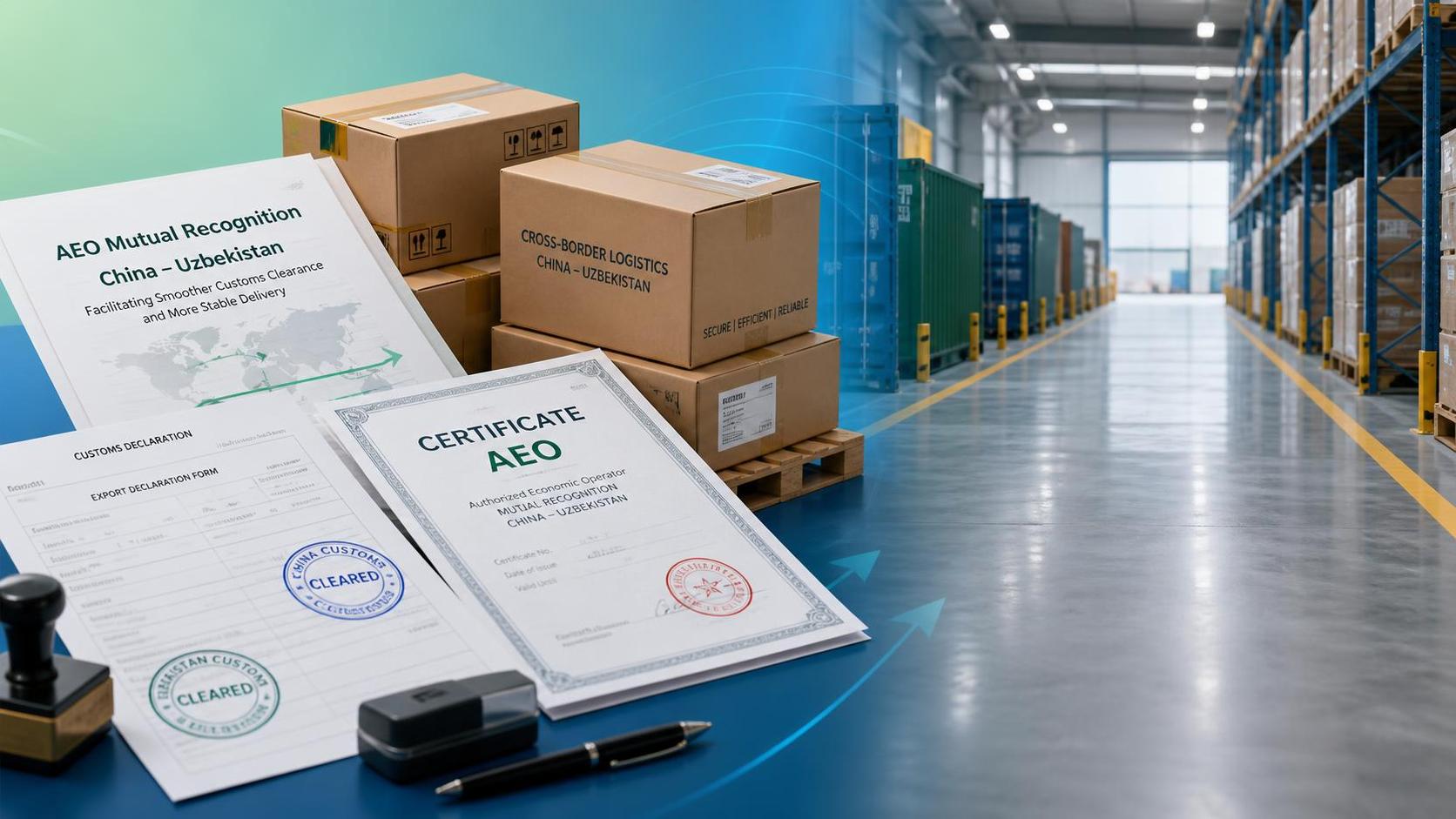
On August 1, 2026, China and Uzbekistan put their mutual recognition arrangement for Authorized Economic Operators (AEO) into effect. For importers, distributors, and cross-border B2B buyers serving Central Asia, the key issue is not only faster clearance, but also whether this change can improve shipment certainty, inspection exposure, and day-to-day delivery stability across the China-Uzbekistan trade lane.
AEO cooperation between China and Uzbekistan enters implementation
From August 1, 2026, China Customs and Uzbekistan Customs officially began applying their AEO mutual recognition arrangement. According to the information provided, the mechanism is intended to shorten customs clearance time for bilateral shipments, reduce inspection rates, and offer certified enterprises preferential clearance, simplified documentation, and dedicated coordinators.
The most immediate signal is operational: companies recognized under the AEO framework may move through customs with fewer frictions than before. For market participants handling China-Uzbekistan cargo flows, this means the customs process is no longer just a compliance checkpoint, but a variable that can directly affect delivery reliability.
Which business links may feel the change first
Direct traders and cross-border buyers
Direct importers and exporters are the most visible beneficiaries because customs clearance sits at the center of their delivery cycle. If a shipment is handled by an AEO-certified Chinese partner, the trading process may face fewer inspection delays and less document repetition, which matters most for time-sensitive orders and recurring procurement contracts.
For cross-border B2B buyers focused on Central Asia, the practical concern is whether supply commitments can be kept with greater consistency. The arrangement does not replace commercial risk management, but it may reduce one common source of uncertainty at the border.
Distributors and channel operators
Distributors depend on steady inbound timing, especially when inventory is planned around fixed sales windows or downstream customer commitments. A shorter and more predictable clearance process can matter as much as cost, because delays at customs often create ripple effects in warehousing, replenishment, and order fulfillment.
For this group, the key point to watch is whether suppliers can actually operate under the AEO framework in the relevant shipment flow. The benefit is linked to certified status, not to the trade lane in general.
Supply chain and logistics service providers
Forwarders, customs brokers, and related service providers may see more demand for documentation coordination and status verification. The new arrangement places more weight on clean paperwork, partner qualification, and process alignment before goods depart, rather than trying to solve issues after arrival.
That shifts attention upstream. Service providers will likely need to confirm whether their customers' suppliers are AEO-certified, whether the documents match the simplified process, and whether internal handoffs are aligned with the customs treatment expected under the arrangement.
What companies should check now
Verify certification status before planning shipments
For procurement and logistics teams, the first practical task is to confirm whether the Chinese supplier involved in the trade flow is actually AEO-certified. The arrangement only delivers its intended advantages when the certified status applies to the participating enterprise.
In other words, this is not a general market improvement that automatically applies to every shipment. It is a status-based mechanism, so supplier qualification matters.
Review documents and internal handoffs
Because the arrangement includes simplified documentation, companies should re-check how shipping papers, customs declarations, and internal approval steps are prepared. Even where border procedures become smoother, internal document errors can still create avoidable delays.
Teams handling recurring exports or imports should align procurement, sales, logistics, and customs compliance on the same process path, especially where delivery schedules are tight.
Adjust lead-time assumptions carefully
Analysis shows that the most meaningful commercial effect may be in planning rather than headline speed alone. If customs friction falls, lead-time buffers may be adjusted over time, but companies should not immediately assume every shipment will move faster in the same way.
It is more appropriate to treat this as a factor that can improve schedule reliability, while actual performance still depends on product type, documentation quality, and operational execution.
Keep customer communication grounded in the new reality
For buyers and distributors serving Central Asia, any change in clearance treatment should be reflected carefully in customer commitments. The right approach is to update planning assumptions without promising outcomes that go beyond the confirmed mechanism.
That is especially important for contracts tied to fixed delivery windows, where procurement, transit, and customs timelines need to stay aligned.
What this signal means at the industry level
From an industry perspective, this is better understood as an operational signal than as a broad structural shift. The arrangement points to a more efficient customs channel for certified enterprises, but it does not by itself remove wider trade constraints or guarantee uniform results across all goods and participants.
What deserves closer attention is whether the AEO framework starts to influence supplier selection, documentation discipline, and route planning in China-Central Asia trade. If it does, the practical impact will show up first in delivery stability and process predictability rather than in abstract policy language.
For now, the most reasonable reading is that this is a concrete implementation milestone with immediate workflow implications, while its broader commercial effect should be observed through actual shipment performance and future official updates.
A measured reading of the development
The China-Uzbekistan AEO mutual recognition arrangement taking effect on August 1, 2026, is a specific and operationally relevant change for cross-border trade. Its value lies in faster customs handling, lower inspection intensity, and more predictable clearance for certified enterprises, especially for companies active in Central Asia-facing import, distribution, and B2B sourcing.
At this stage, it is best understood as a process improvement with clear near-term relevance, not as a blanket market guarantee. Companies should watch how the arrangement is applied in practice, how supplier certification affects shipment flow, and whether official implementation details evolve further.
Source note and follow-up
This article was generated based on the user-provided headline, event date, and summary. No specific official source link was provided in the input. Related source types for continued verification typically include customs authority announcements, company notices, industry association updates, and authoritative media coverage. The implementation details and any later rule adjustments should continue to be checked against official releases.